Skip to Content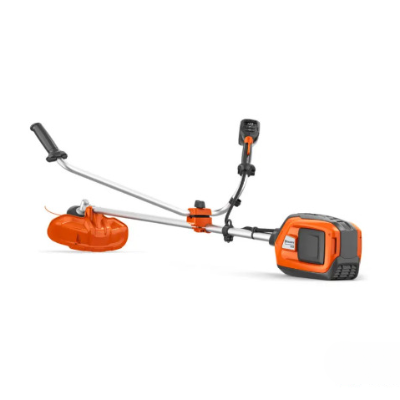
Petrol-powered Brushcutter support
Brushcutter maintenance guide: keep your brushcutter performing at its best
Regular maintenance helps your brushcutter start more easily, maintain cutting performance and extend its service life.
Use this guide to understand what maintenance to perform and when.
For detailed instructions, follow the related guides linked throughout the article.
Quick maintenance checklist
Before every use
Inspect the cutting attachment for wear or damage
Check that the blade or trimmer head is securely fitted
Tighten loose screws, nuts and handles
Check the harness and quick-release mechanism
Remove grass, dirt and debris from the machine
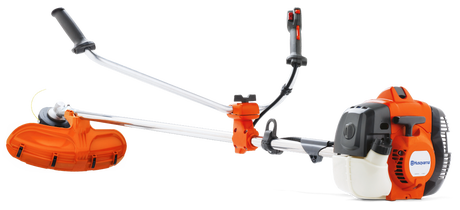
Petrol-powered brushcutter
Learn more about the petrol-powered brushcutter maintenance
Before every use
Inspect the blade or trimmer head for damage
Check that the cutting attachment guard is secure
Make sure the locknut is correctly tightened
Tighten loose screws and nuts
Clean external surfaces
Regular maintenance
Check the bevel gear grease
Inspect the spark arrestor (if fitted)
Seasonal maintenance
Inspect the fuel filter
Check the hose for cracks and damage
Apply grease to the drive shaft (two-piece shaft models)
Clean around the carburettor
Inspect cables and electrical connections
Dealer maintenance
Some maintenance procedures require specialised tools and should be carried out by an authorised Husqvarna dealer according to the maintenance schedule for your model.
Maintenance after 50 hours of operation is recommended for applicable petrol models.
Battery-powered brushcutter
Learn more about the battery-powered brushcutter maintenanceWARNING: Remove the battery before you perform any maintenance.
Before every use
Clean the product using a dry cloth
Check that the START/STOP button operates correctly
Test the power trigger and trigger lockout
Inspect the blade or trimmer head
Inspect the cutting attachment guard
Tighten loose screws and nuts
Inspect the battery for damage
Check that the battery locks securely into the product
Inspect the harness and suspension point
Regular maintenance
Check all cables, couplings and electrical connections
Inspect the bevel gear grease
Clean the motor air intake with compressed air if needed
Seasonal maintenance
Inspect battery contacts
Check the harness safety release
Inspect electrical connections
Step-by-step maintenance guides
Need help with a specific task?
Maintenance tips
Regular maintenance helps:
Improve starting performance
Maintain cutting power
Reduce fuel consumption (petrol model)
Extend engine life
Reduce unexpected downtime during the cutting season